GyrusAim LMS, a leading LMS software for utility companies, streamlines regulatory compliance training by ensuring consistent training delivery and automating tracking and reporting tasks. With comprehensive features like documentation, audit trails, and customizable workflows, GyrusAim helps utility companies navigate regulatory challenges confidently.


With over 30 years of experience serving utility companies, customized gyrusAim lms software for utility companies stands out as one of the premier learning management systems tailored for this sector. Here’s what sets us apart as the top choice for the Utility Industry.
With LMS software for utility companies, you can update training materials quickly and efficiently, ensuring that employees are always informed and trained on the latest compliance standards.
Maximize your training budget with our economical and easy-to-understand pricing model for LMS software for utility companies.
Select the deployment option that aligns with your organization’s infrastructure and security requirements—whether cloud-hosted or self-hosted—when choosing LMS software for utility companies.
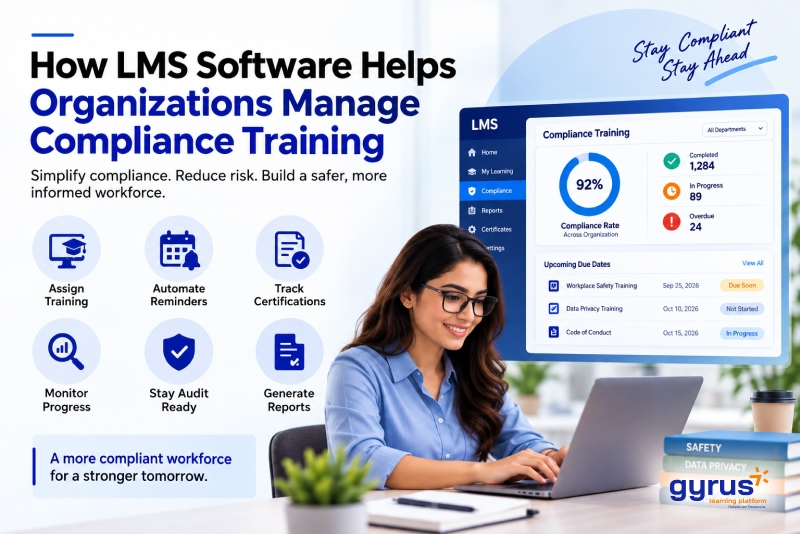
LMS software for utility companies helps maintain detailed records of training completion, assessments, and certifications. These records serve as an audit trail, providing evidence of compliance during regulatory audits or inspections.
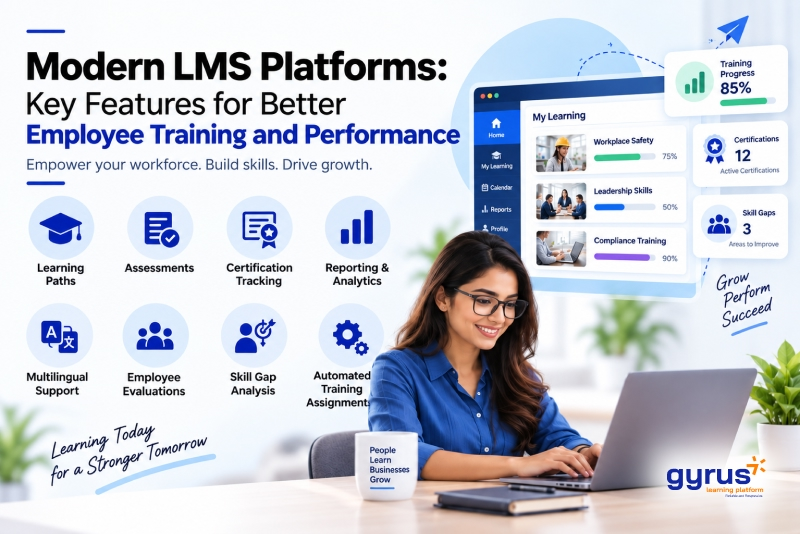
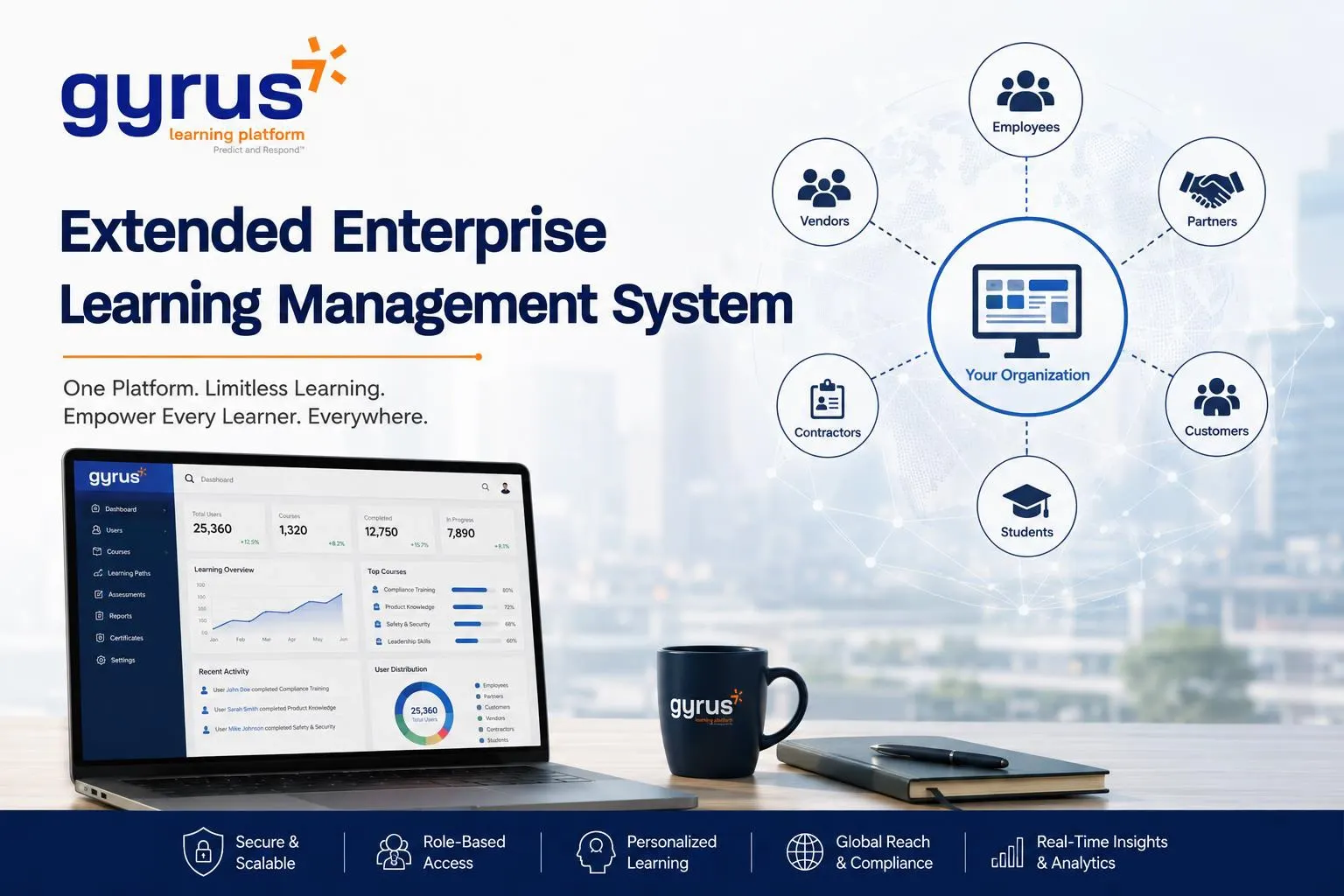
LMS software for utility companies can automatically enroll learners in courses tailored to their job title or role, ensuring that each employee receives relevant, role-specific training that enhances job performance and skill development.
Centralize training materials with LMS software for utility companies and ensure that employees receive mandatory compliance training on topics such as safety protocols, regulations, and industry-specific standards.
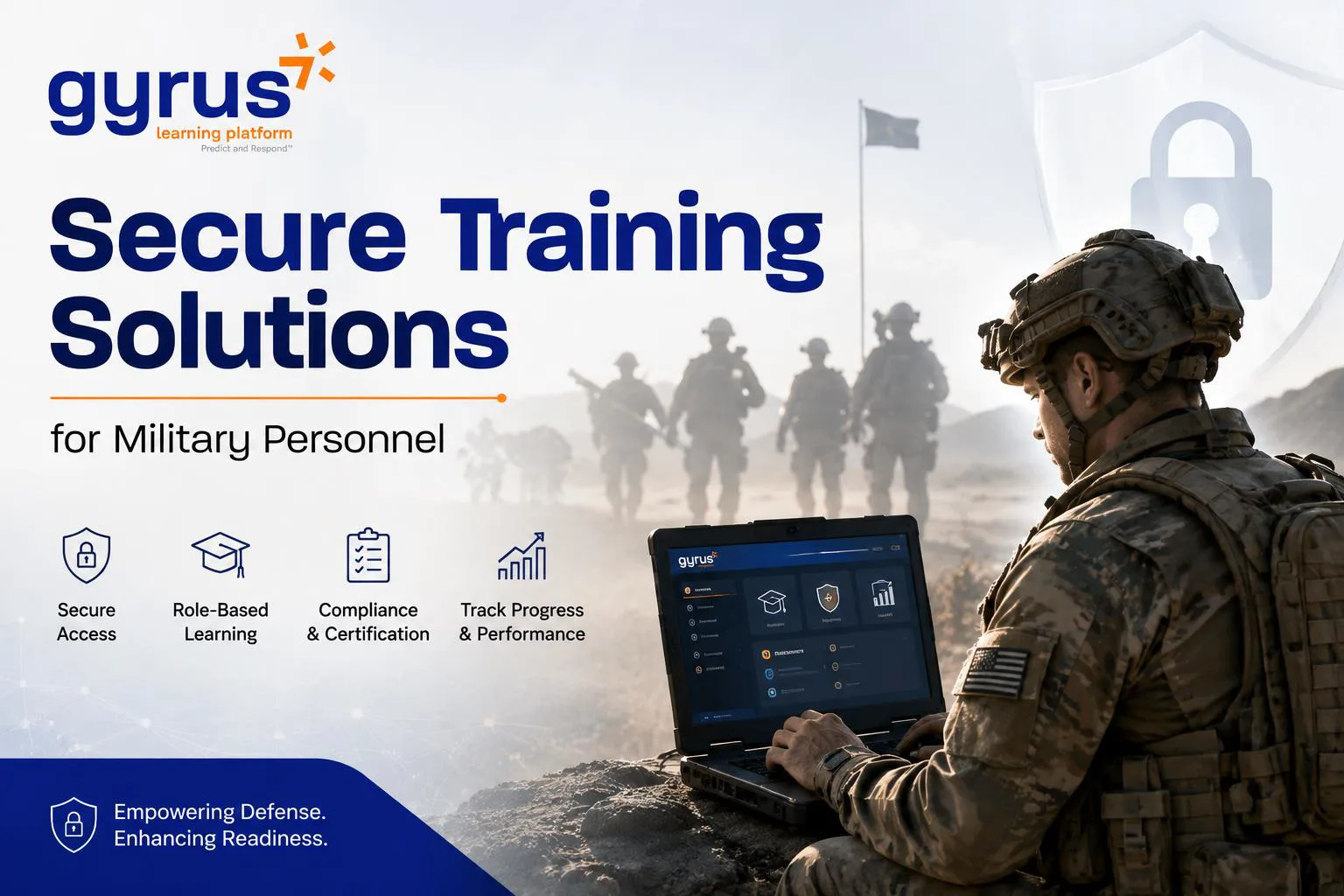
We prioritize data security and privacy, adhering to the highest data and IT security standards to protect sensitive information and maintain trust across all operations.
Configure workflows to fit your compliance needs, including automated reminders for training deadlines, creating approval processes for courses, and implementing periodic assessments to ensure knowledge retention
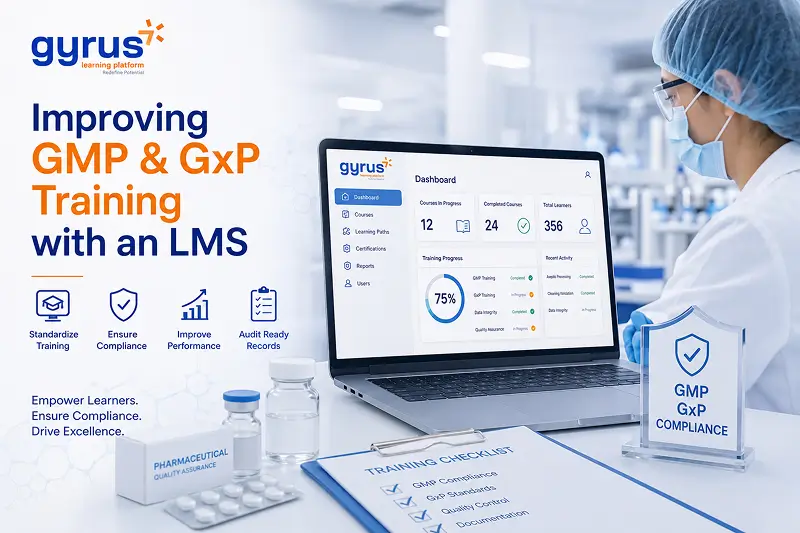
GyrusAim LMS helps you to standardize training content and delivery methods, ensuring consistency across the organization. Helping to maintain quality standards, improving operational efficiency, and reducing errors.
An LMS cannot automatically enforce compliance, but it helps ensure employees complete required training and understand safety regulations. By assigning courses, tracking completion, and maintaining certification records, organizations can monitor workforce readiness and support regulatory compliance.
Utility companies use an LMS to assign safety courses, track employee completion, and maintain records of required certifications. Training administrators can generate reports to verify that workers have completed required safety programs before performing field operations.
Yes. By delivering consistent safety training, refresher courses, and operational procedures, an LMS helps ensure employees understand workplace hazards and safety protocols. Regular training and assessments can reinforce best practices and improve workforce preparedness.
An LMS helps organizations deliver structured training programs that include technical courses, leadership development, and certification programs. Training managers can assign learning paths, schedule instructor-led sessions, and monitor employee progress across departments and locations.
Manual training records can be difficult to manage and may lead to inconsistent reporting. An LMS centralizes training records, automates course assignments, and provides reporting dashboards that help organizations track employee certifications and compliance requirements more efficiently.


Yes. Many learning platforms allow organizations to track mandatory compliance training alongside skill development programs. Administrators can assign courses, monitor progress, and generate reports that show both certification status and workforce skill development.